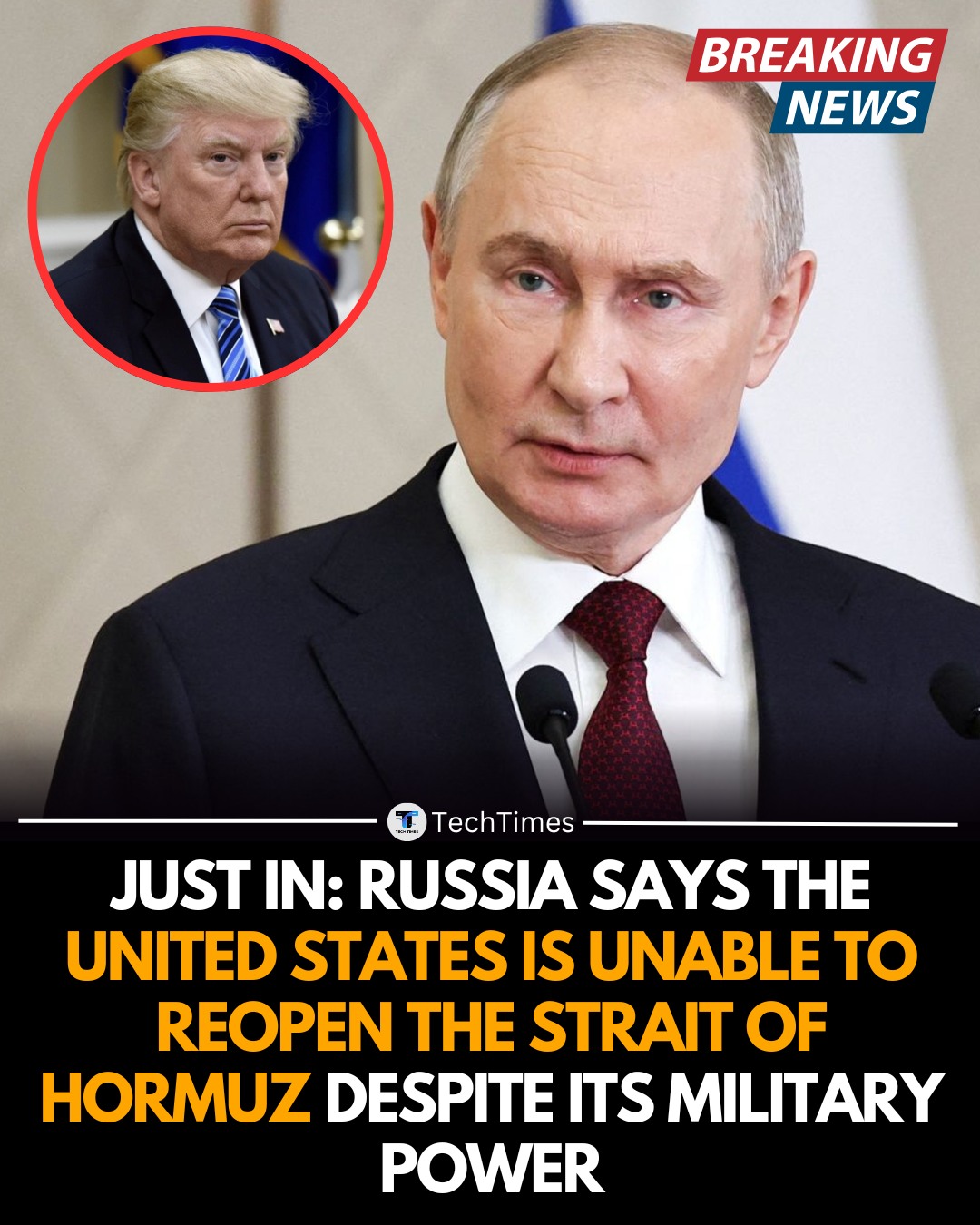
The Kremlin’s assessment highlights the reality of asymmetrical warfare, where inexpensive sea mines and shore-based missile batteries can neutralize even the most advanced carrier strike groups. By publicly questioning U.S. capabilities, Russia is attempting to frame the current “maximum pressure” campaign as a strategic dead end.
Geopolitical analysts suggest this rhetoric is part of a broader Russian effort to force a diplomatic pivot where they would serve as the primary intermediary. Russia’s stance implies that only a negotiated political settlement—rather than a “finish the job” military surge—can restore the global flow of oil.
The economic stakes are historic, as the continued closure of the Strait has already triggered a massive wiped-out value in global markets and a 6% surge in crude prices. If the U.S. is indeed unable to force the passage open, the shift toward land-based pipelines and bilateral transit deals with Tehran will likely accelerate.
While the Pentagon maintains it has the necessary assets to ensure freedom of navigation, the Russian warning adds a significant layer of psychological pressure. The coming weeks will determine if naval power can overcome the tactical advantages of a motivated coastal defense force or if the blockade will hold indefinitely.
Moscow is casting serious doubt on the effectiveness of western naval intervention as the world’s most vital energy artery remains blocked. In a recent high-level briefing, Russian officials argued that conventional military force is insufficient to secure a waterway as narrow and heavily fortified as the Strait of Hormuz.